In modern interior design, air quality is no longer an invisible detail—it is as important as lighting and furniture. For designers, choosing the right feng shui plants not only helps purify the air, but also optimises circulation paths and visual focal points, enhancing the overall qi field of a space.
As early as 1989, NASA in the United States pointed out that various indoor plants can effectively remove harmful substances such as TVOCs, helping to improve indoor air pollution. As an interior designer, while planning layouts and circulation, I incorporate feng shui principles to select suitable plants for the living room, study, and bedroom, creating an environment that is both beautiful and healthy. If you wish to align your home layout more precisely with your personal destiny and house orientation, consider seeking assistance from a professional feng shui consultant, Master Feng Ip.
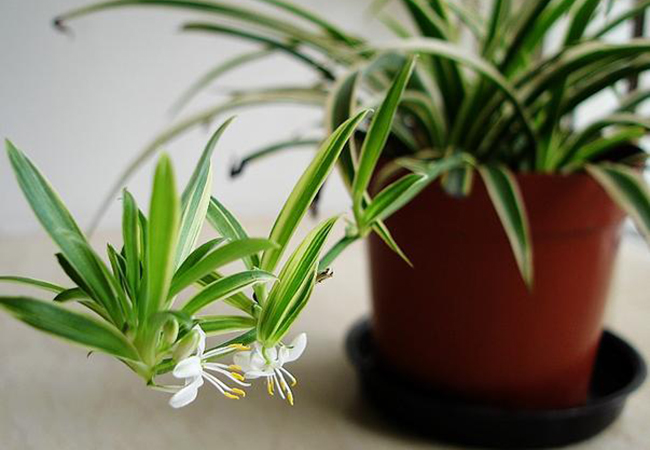
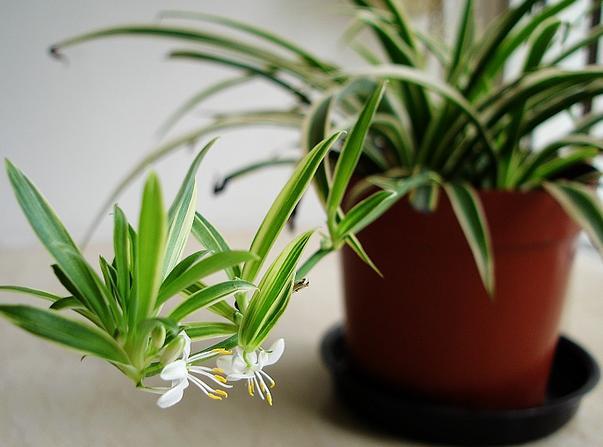
1. Spider Plant: Air Filter for the Entrance and Living-Dining Area
The spider plant is one of the most frequently featured plants in interior design case studies. It is highly adaptable, easy to maintain, and particularly effective at absorbing harmful substances such as formaldehyde and nicotine.
Interior design and feng shui suggestions:
· Ideal for hanging at the entrance, along corridors, or in a corner of the living-dining area, using its trailing lines to soften sharp corners and hard furniture edges.
· In feng shui, hanging feng shui plants help guide the natural flow of qi, preventing the home's energy field from becoming too "direct" or rushing.
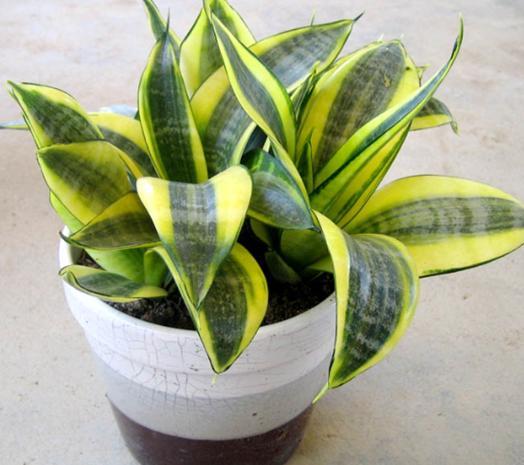
2. Snake Plant: Linear Guardian in Modern Styles
With its upright, sharply defined leaves, the snake plant is a common botanical element in modern minimalist, Nordic, and industrial styles. It is also renowned for its air-purifying abilities, helping to absorb formaldehyde and carbon dioxide.
Interior design and feng shui suggestions:
· Can be placed beside the main door, next to the TV console, or by a window as a vertical visual focal point to heighten the sense of space.
· From a feng shui perspective, the snake plant acts like a green "barrier", helping to dissolve sha qi rushing directly from the entrance and stabilising the home's qi field.
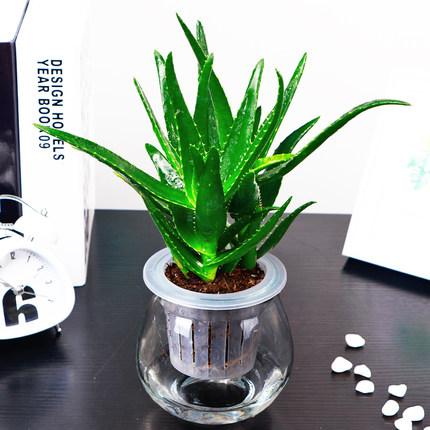
3. Aloe Vera: Low-Key Energy Source by Windows and Work Areas
Aloe vera is not only useful for skincare; its ability to absorb formaldehyde and purify air is also well recognised. For homeowners who prefer a minimalist aesthetic, aloe is a low-profile yet practical feng shui plant.
Interior design and feng shui suggestions:
· Suitable for well-lit windowsills, beside desks, or on open shelving, grouped with other small potted plants to create green corners.
· In feng shui, plump leaves symbolise vitality and health, making it especially suitable for work areas where focus and energy need to be enhanced.
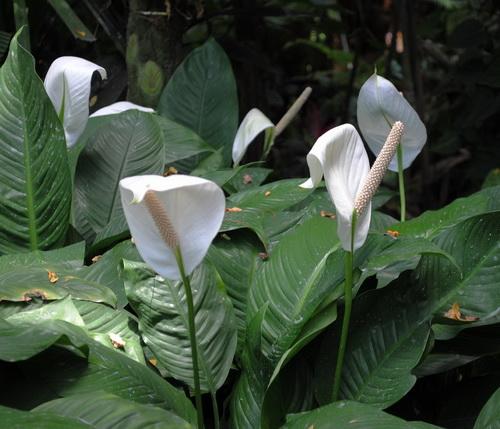
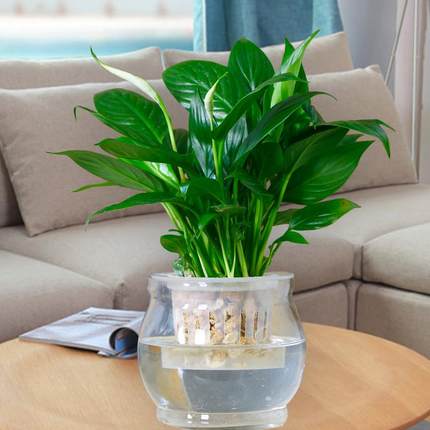
4. Peace Lily (Spathiphyllum): Gentle Balancer for Living Rooms and Bedrooms
The peace lily, also known as white crane lily, is famous for its elegant white bracts and powerful air-purifying capabilities, filtering pollutants such as benzene, formaldehyde, and trichloroethylene. Visually, it brings softness to a space and is often used by interior designers to balance hard architectural lines.
Interior design and feng shui suggestions:
· Ideal beside the living room sofa, on lower shelves of bookcases, or in bedroom corners; its white floral form pairs beautifully with soft lighting.
· In feng shui, white symbolises purity and harmony, helping to ease interpersonal relationships and family atmosphere, making it an ideal choice for living rooms and bedrooms.
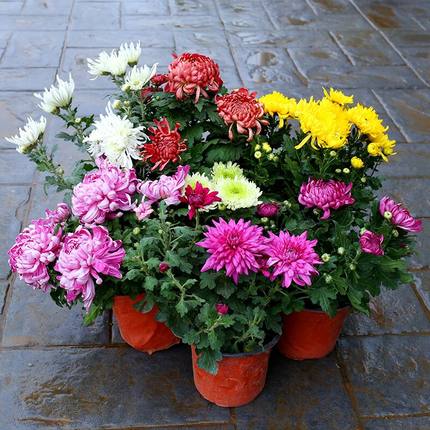
5. Chrysanthemum: Visual Accent and Emotional Harmoniser
Chrysanthemums come in varied colours and full flower forms. In interior design, they are often used as short-term arrangements or festive decorations, instantly adding layers to a space. They also possess certain air-purifying abilities; when placed in moderation, they help keep interiors fresher.
Interior design and feng shui suggestions:
· Can be used as centrepieces on dining tables, on entrance console tops, or on living room coffee tables as visual accents, especially suitable for festive styling.
· In feng shui symbolism, chrysanthemums represent longevity and resilience, making them suitable for directions where you wish to enhance family harmony and the health of elders.
Interior Design × Feng Shui: How to Make Good Use of Feng Shui Plants?
As an interior designer, when planning plant placement, I typically consider the following points:
· Lighting conditions: Plants need adequate sunlight; too little light affects their health, and yellowing plants are also unfavourable in feng shui.
· Spatial proportions: Use tall, large potted plants in big spaces; for smaller units, opt for smaller pots arranged at multiple points to avoid a cramped feel.
· Smooth circulation: Feng shui plants should not obstruct doors or walking paths. Keep qi flow smooth and the visual field clean.
· Feng shui directions: Based on the homeowner's destiny and house orientation, choose suitable plant types and locations so that "interior design" and "feng shui" work in harmony.
If you wish to integrate style and feng shui from the very beginning of your whole-home design, consider collaborating with a professional feng shui consultant, such as Master Feng Ip, to plan the layout, storage, and placement of feng shui plants all at once.
Use Feng Shui Plants to Create a Home with Health and Good Fortune
Choosing the right plants is only the first step; placing them in the "right positions" is the key to both interior design and feng shui. Through thoughtful layout, you can enjoy: fresher indoor air, more comfortable visual effects, and a more harmonious, smooth-flowing home qi field.
Whether you have just moved into a new home or wish to add greenery to an existing one, start with these five air-purifying feng shui plants. Combined with professional interior design and Master Ip's feng shui advice, you can gradually create an ideal space that is truly liveable and rich in gathered qi.